



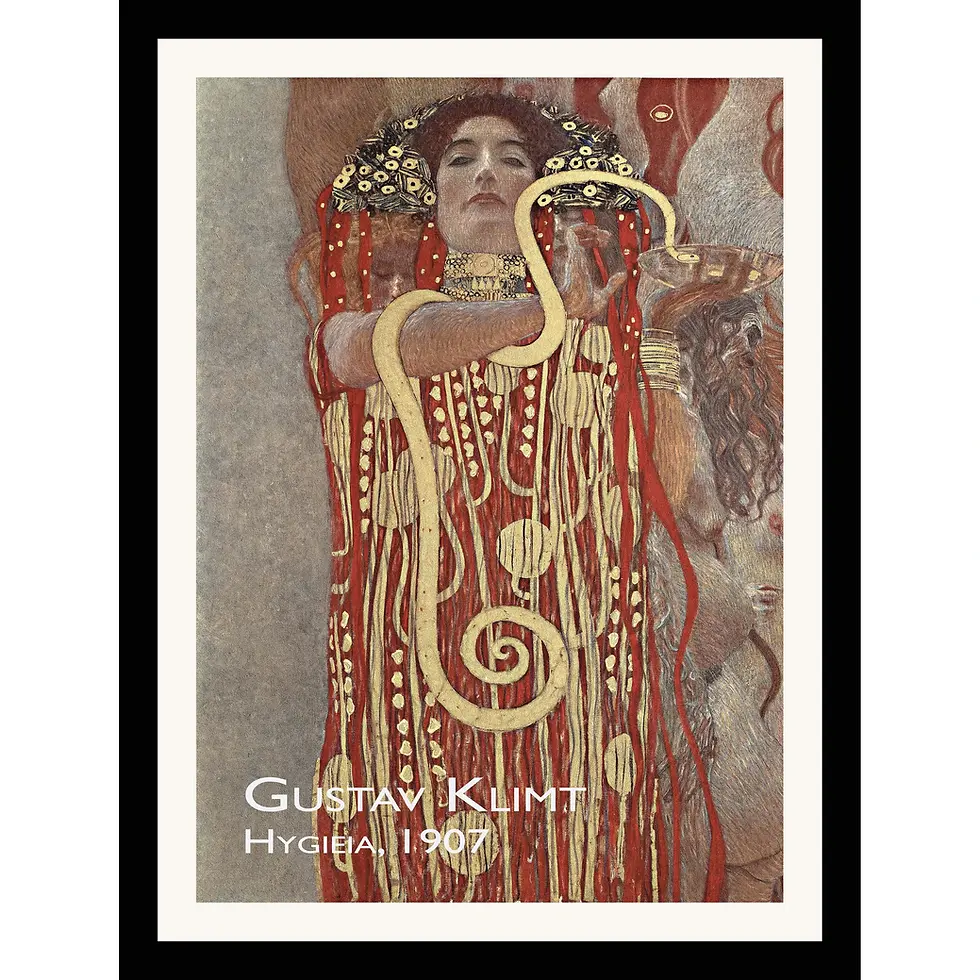








Symbolism was the heartbeat of Gustav Klimt’s artistic identity, serving as a bridge between the physical world and the deeper, often hidden, human psyche. For Klimt, art was never merely decorative; it was a coded language designed to explore universal themes of eroticism, regeneration, and mortality.
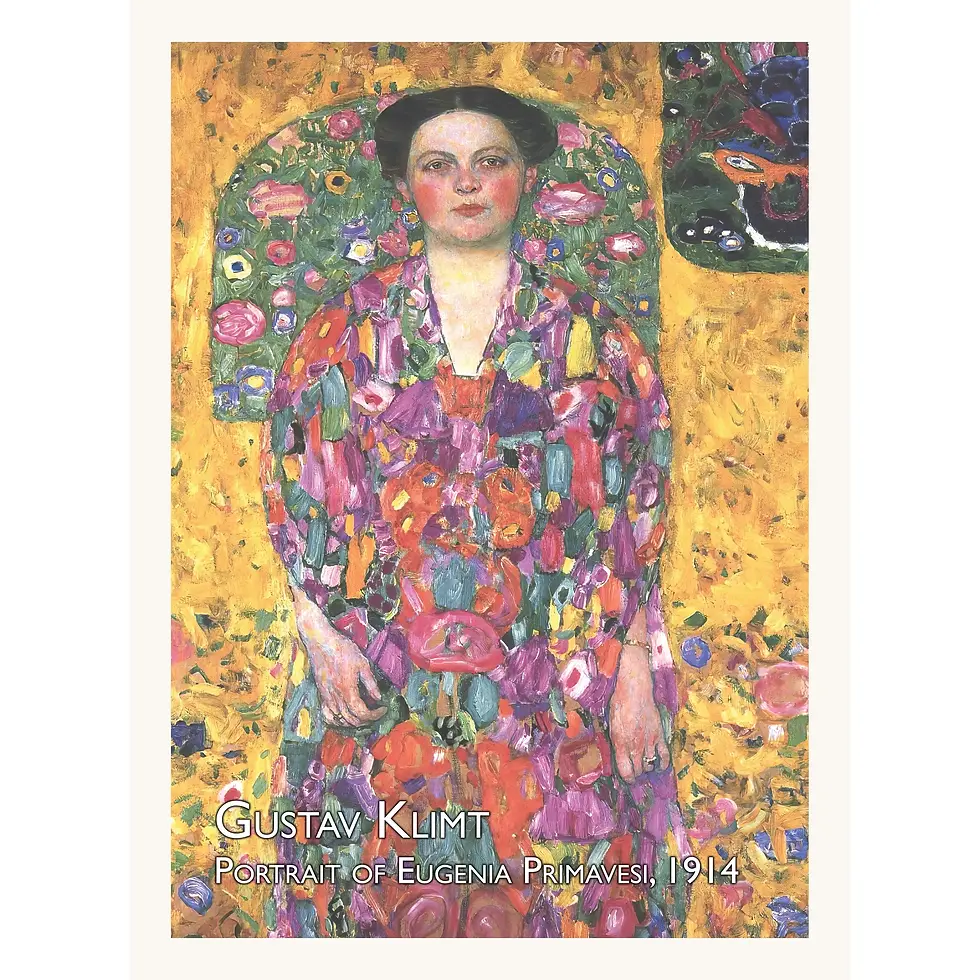
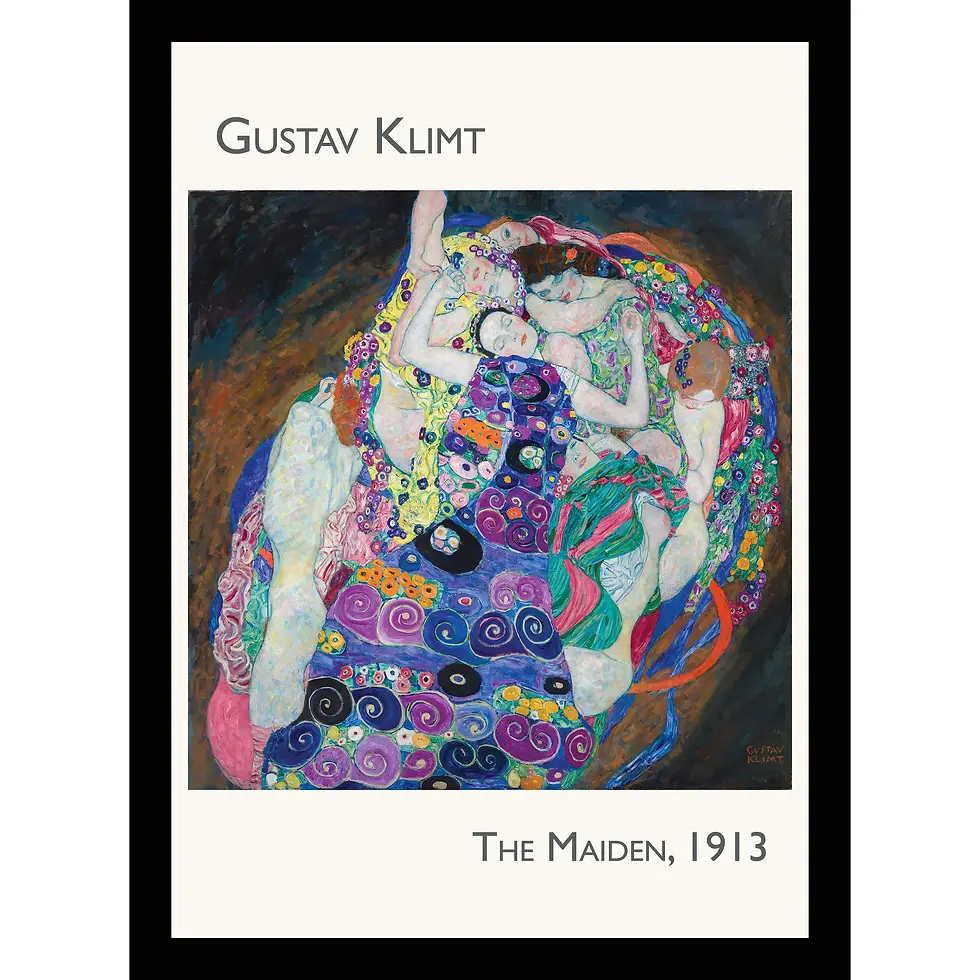
In his "Golden Phase", symbolism manifested through a sophisticated dualism. He used geometric shapes as a gendered lexicon—rigid rectangles and squares signified masculine strength and logic, while soft circles, ovals, and floral motifs represented feminine fluidity and fertility. The heavy use of gold leaf wasn't just for luxury; it functioned as a "sacred space", lifting his subjects out of a specific time or place and into a realm of eternal myth.
As his style evolved, he integrated psychological symbolism influenced by the burgeoning field of psychoanalysis in Vienna. Works like The Maiden and Hope II utilise the "swirl" or vortex to represent the subconscious mind and the inevitable cycle of life. Even his background details—the Egyptian "eyes" on Adele Bloch-Bauer’s dress or the Byzantine-inspired mosaics—serve as talismans, imbuing his portraits with an air of ancient wisdom and spiritual mystery. Ultimately, Klimt’s symbolism transformed the canvas into a mirror for the soul.