






Impressionism was an innovative art movement that emerged in France between about 1860 and 1886, transforming how artists saw and painted the modern world. Instead of polished detail, Impressionist painters focused on fleeting effects of light, colour, and atmosphere, using loose, broken brushstrokes to suggest movement and immediacy. Working en plein air, they explored how sunlight, weather, and time of day subtly altered a scene, often painting the same subject repeatedly to capture these changing impressions.
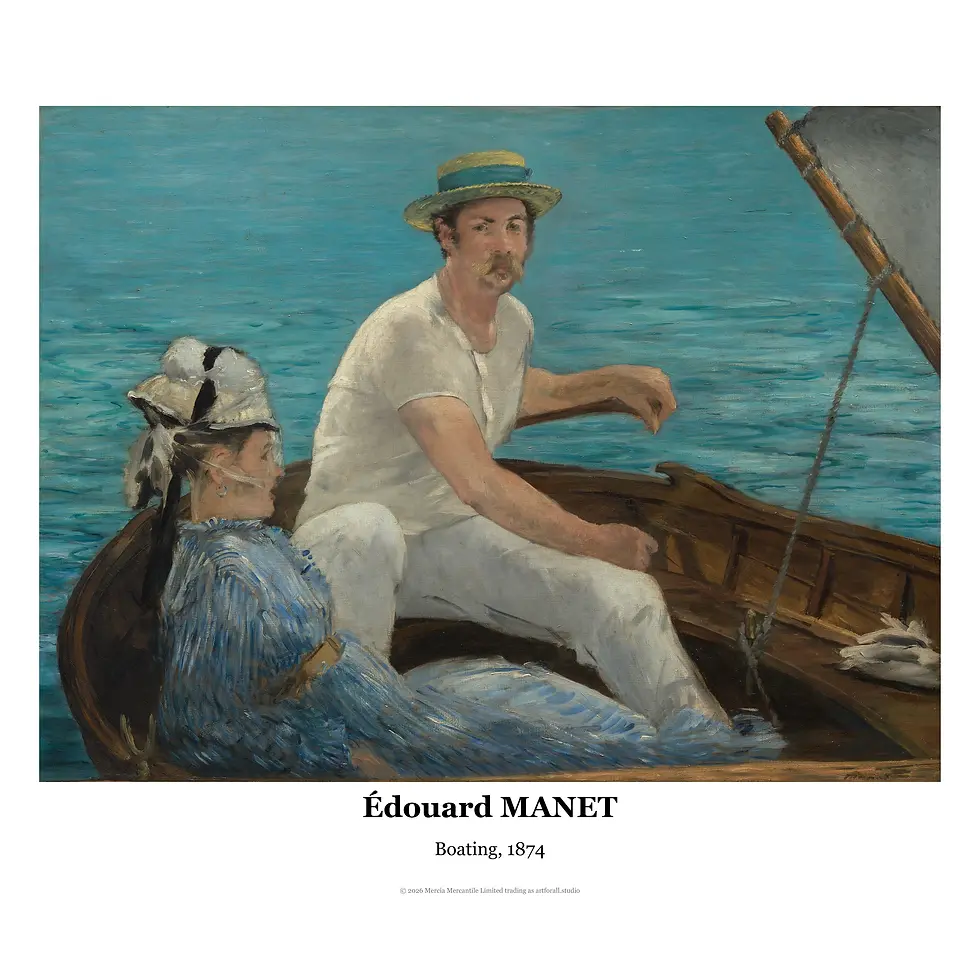
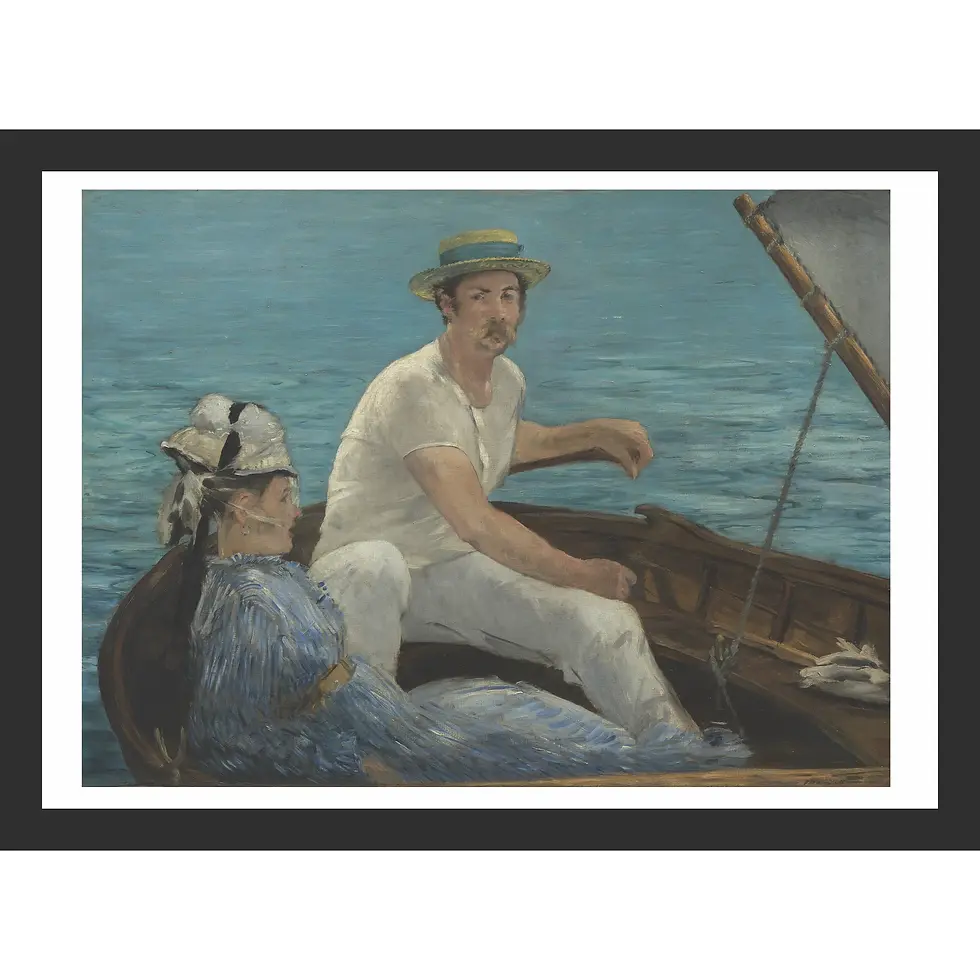
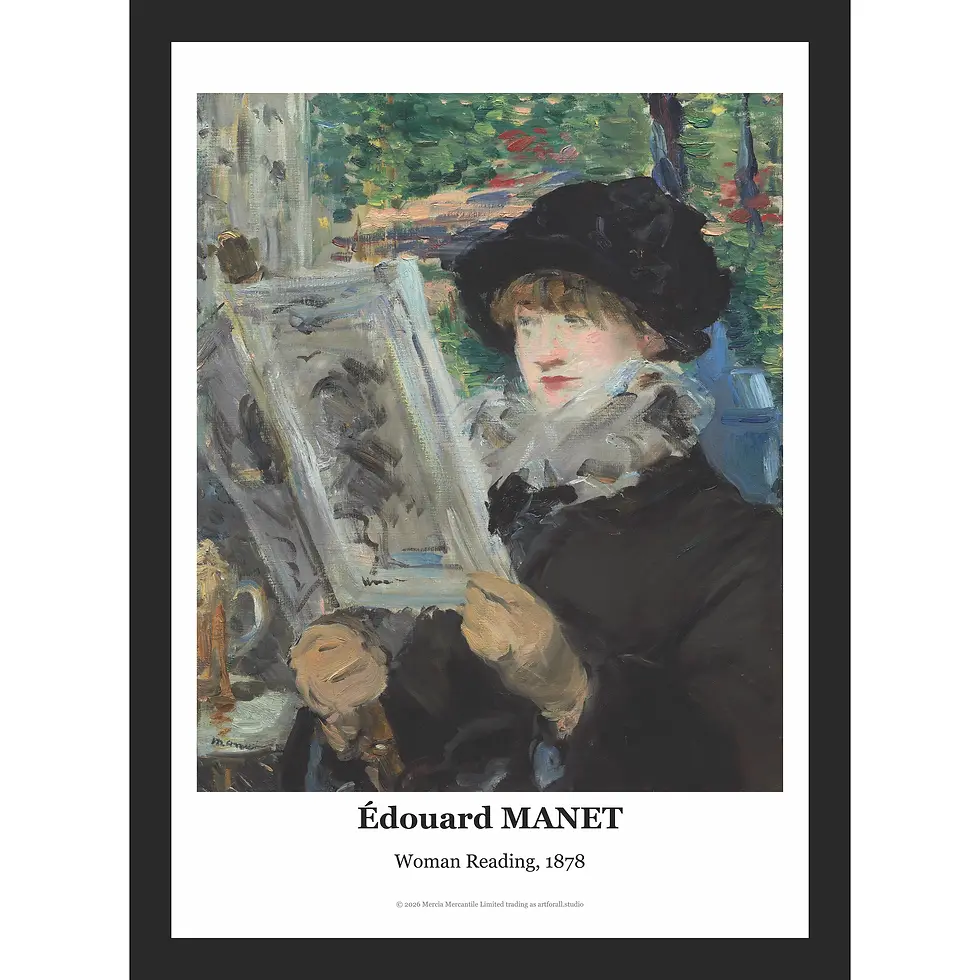
At the centre of this revolution stood Édouard Manet, whose bold compositions and unconventional handling of light and colour bridged Realism and Impressionism and deeply influenced the younger painters. Though often associated with the Salon, Manet’s flattened forms, daring contrasts, and modern subjects - cafés, boulevards, and everyday Parisian life - embodied the core Impressionist ambition to depict contemporary experience as it was seen and felt in the moment.