


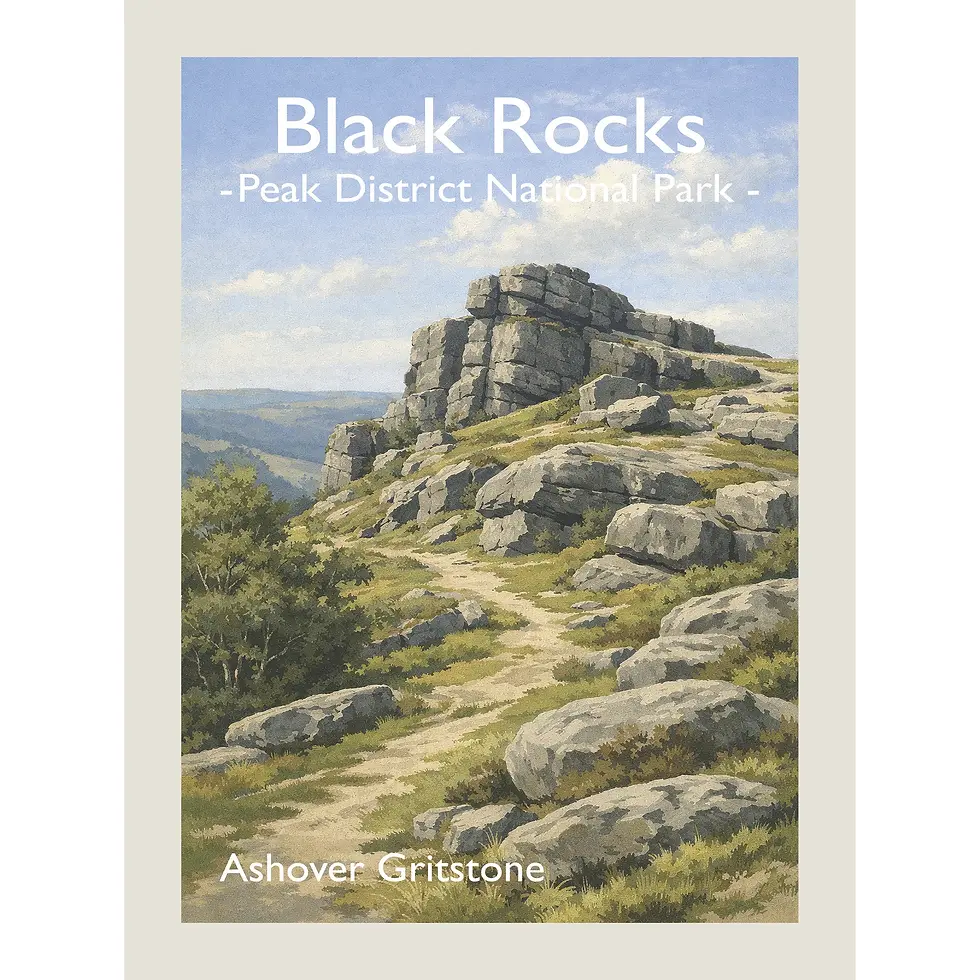


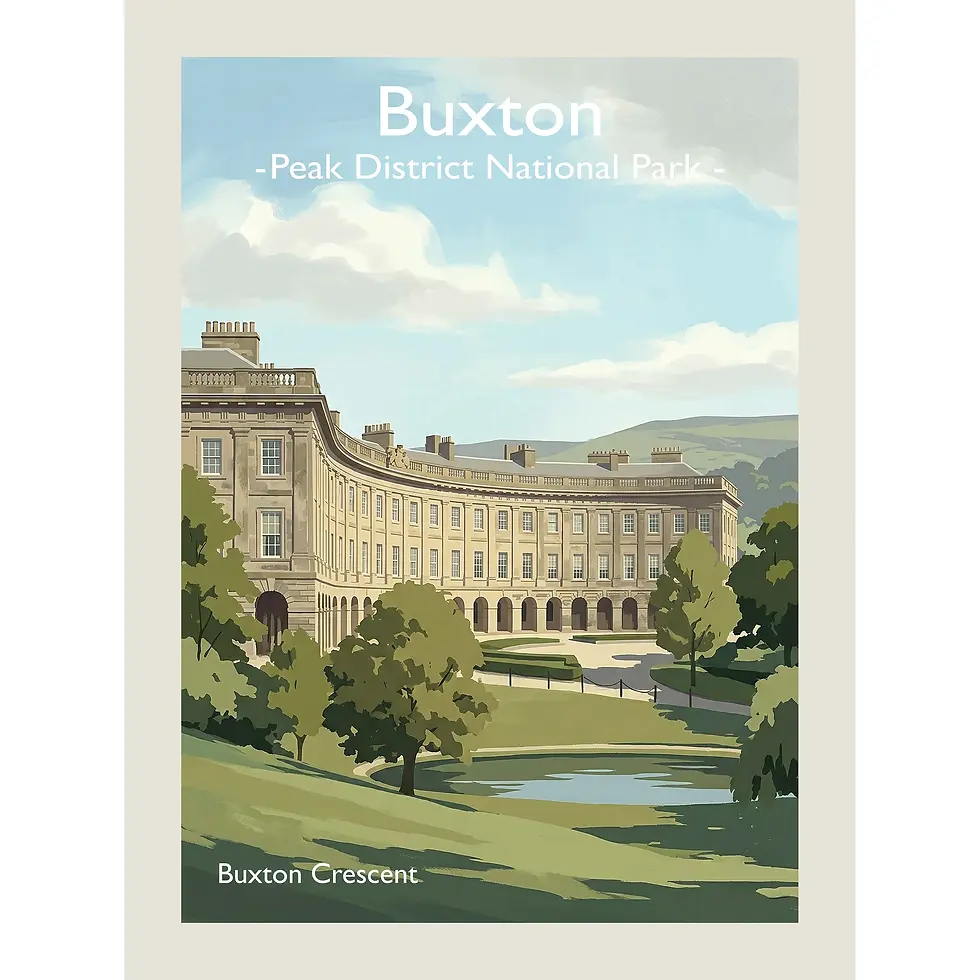


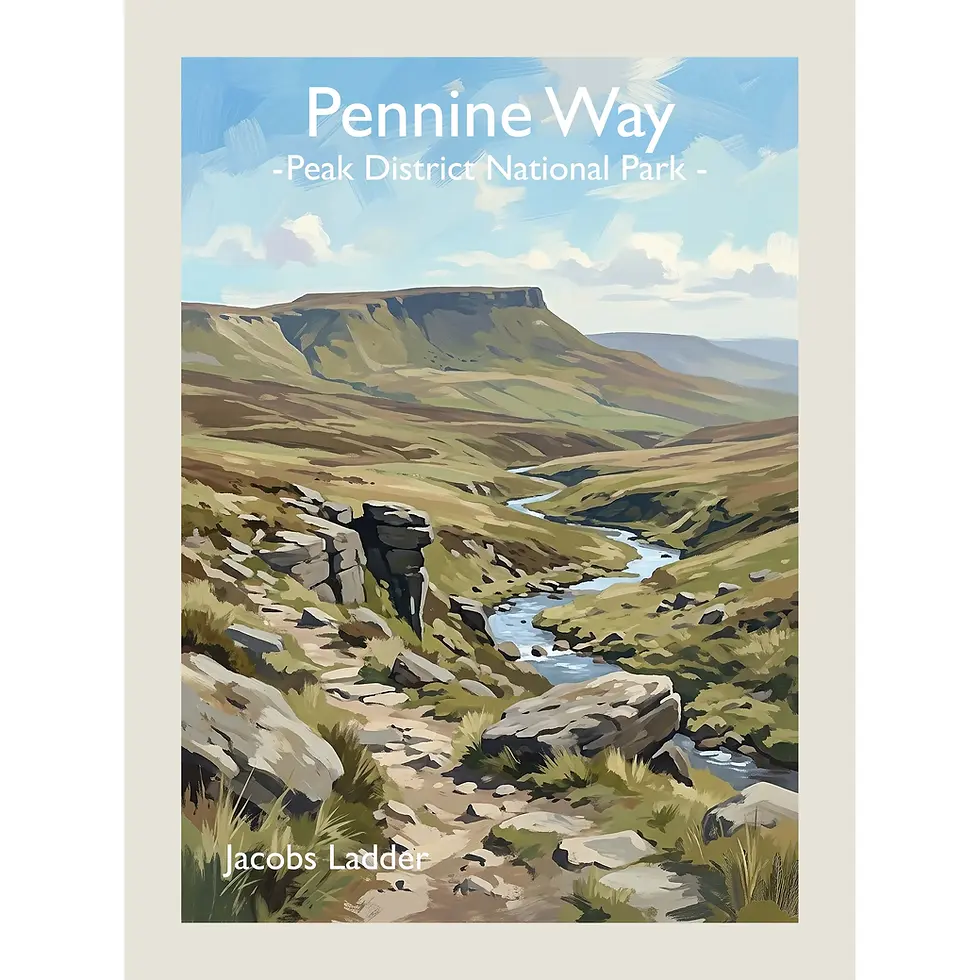


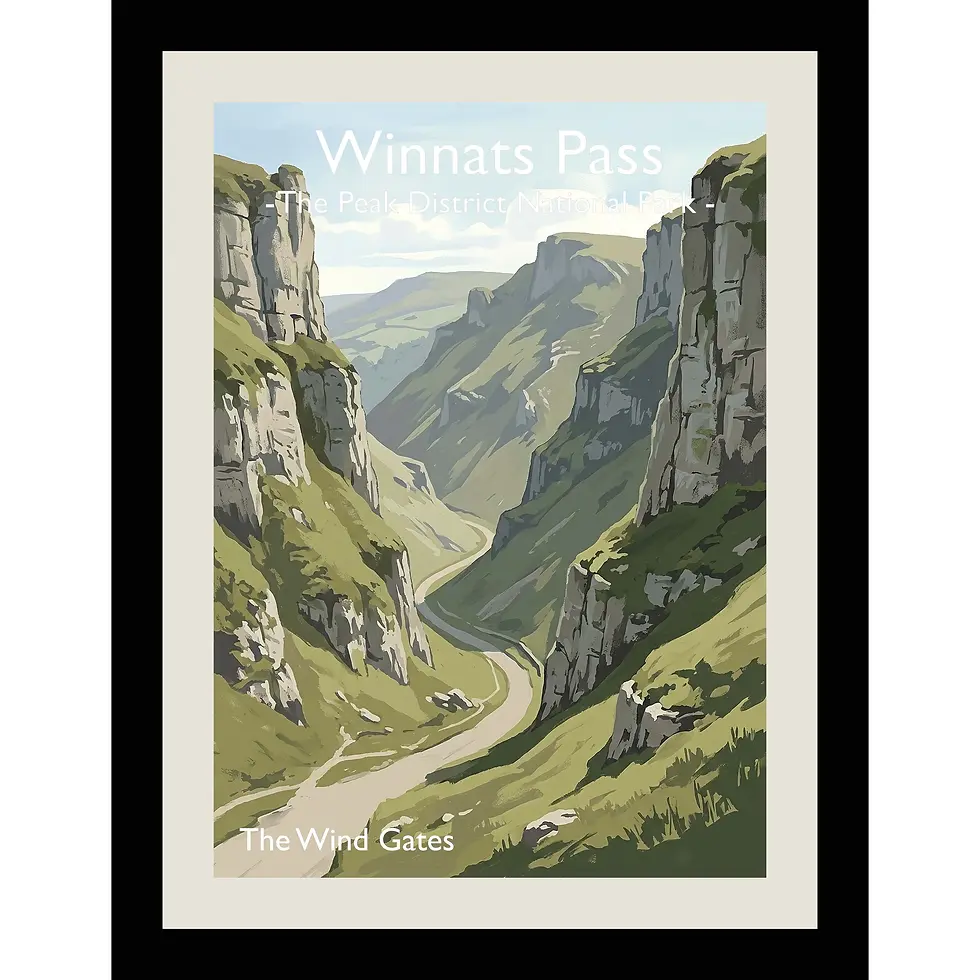

The Peak District National Park was born not just from beauty, but from belief. Long before it was protected, these hills and moorlands lay at the centre of a growing struggle for access to the countryside. By the early twentieth century, much of the Peak District was privately owned, its open moors closed to the very people who lived and worked in the surrounding industrial towns.
In 1932, frustration turned into action. Hundreds of walkers gathered at Kinder Scout in an act of peaceful protest that became known as the Kinder Mass Trespass. Though met with opposition and arrests, the trespass ignited a national conversation about the right to roam and the shared value of wild places.
Momentum grew through the following decades, strengthened by campaigning groups, post‑war reconstruction efforts and a vision for landscapes protected for both nature and people.
In 1951, the Peak District became the United Kingdom’s first National Park, setting a precedent for conservation, access, and public enjoyment across the country.
Today, the Peak District stands as a living legacy of that movement, a landscape shaped by time, weather, and the enduring idea that the countryside should belong to everyone.