

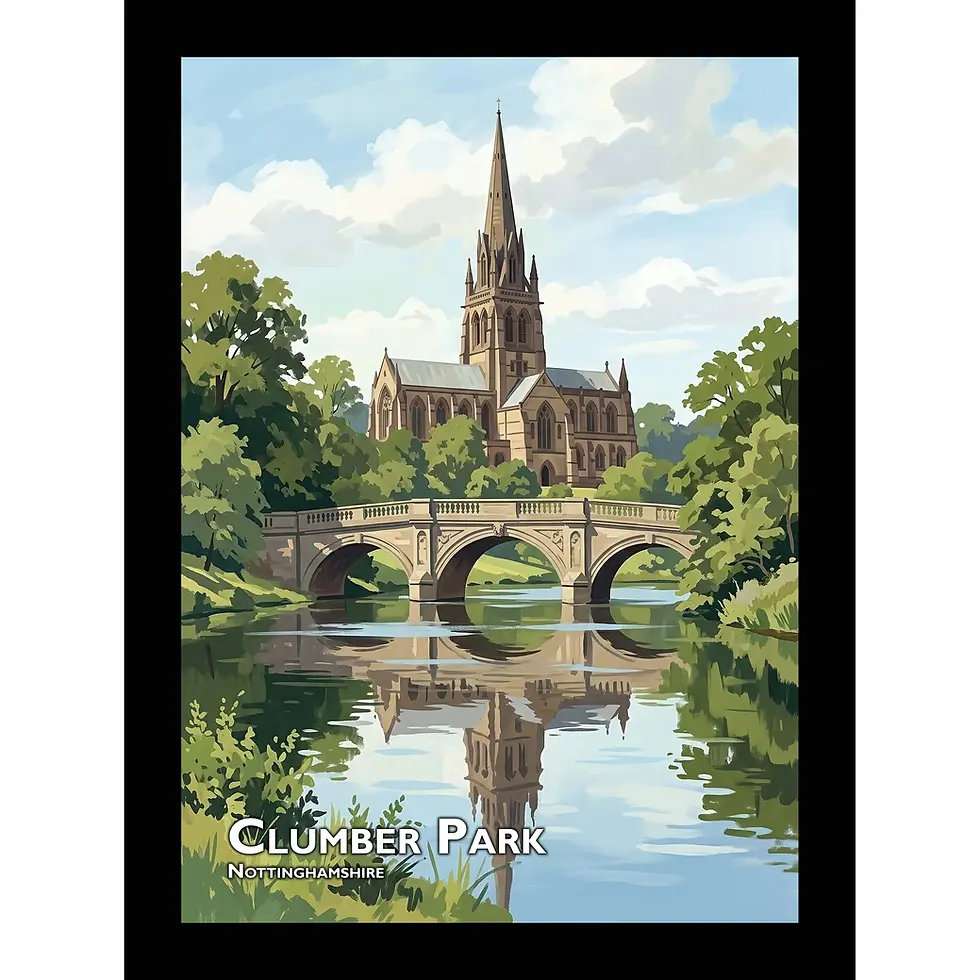


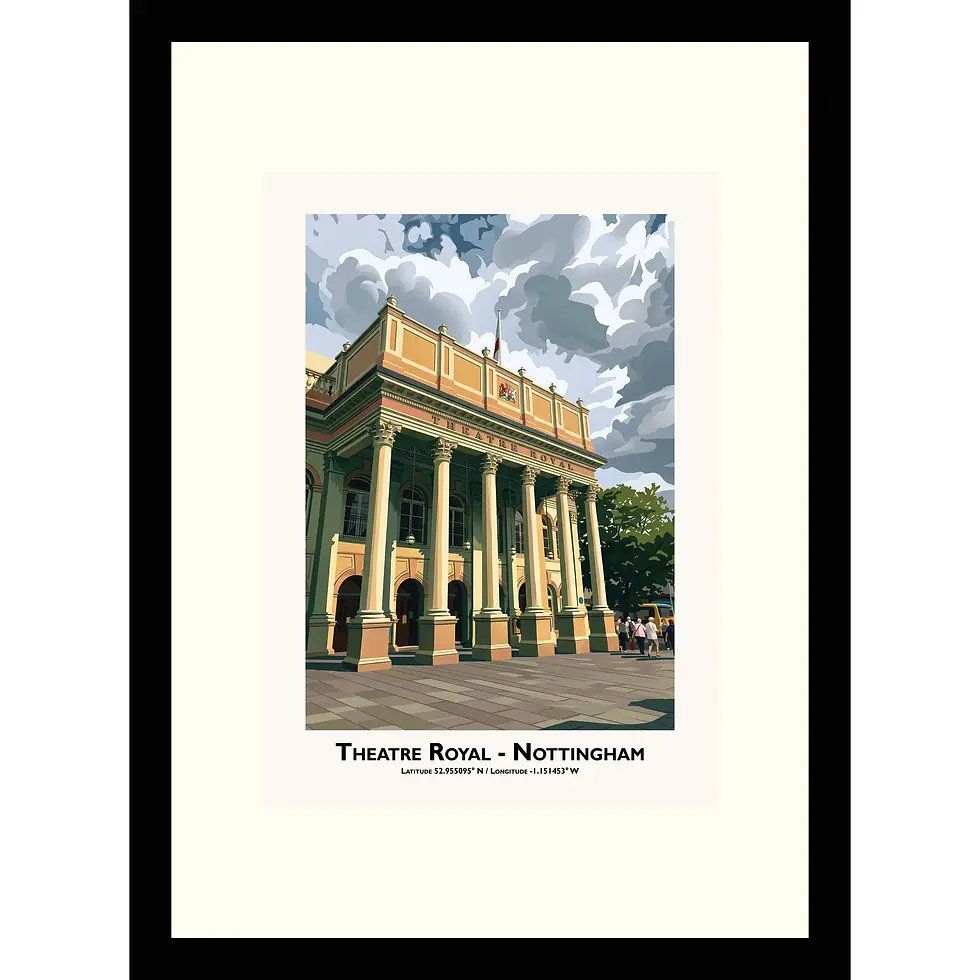
Nottinghamshire’s history stretches back thousands of years, shaped by its central location and natural resources. Evidence of prehistoric settlement survives in cave systems cut into sandstone, notably beneath Nottingham, used successively for shelter, storage and defence from early times. The area later formed part of the Anglo‑Saxon Kingdom of Mercia, with Nottingham emerging as an important fortified settlement by the 9th century.
During the Viking period, Nottingham became one of the Five Boroughs of the Danelaw, reflecting Norse influence that still appears in local place‑names. After the Norman Conquest, Nottingham Castle was built to control the region, and Sherwood Forest was designated a royal hunting forest, governed by strict forest laws. It was in this mediaeval landscape that tales of outlawry, later associated with Robin Hood, began to circulate, reflecting resistance to royal authority.
From the late mediaeval period onwards, Nottinghamshire developed strong agricultural, textile and coal‑mining industries. The county played a significant role during the English Civil War, particularly at Newark, which endured repeated sieges due to its strategic position.
Industrialisation in the 18th and 19th centuries transformed Nottinghamshire’s towns, leaving a legacy of innovation, social change and enduring historical significance within England’s national story.