


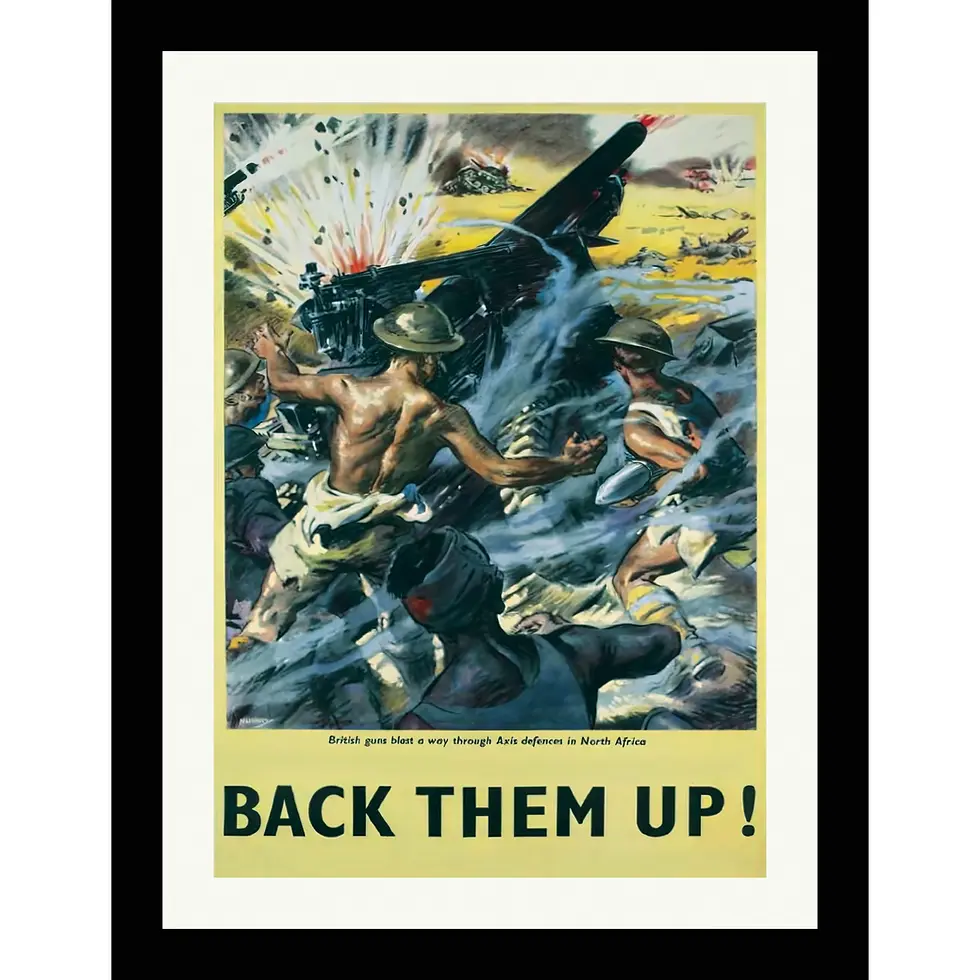


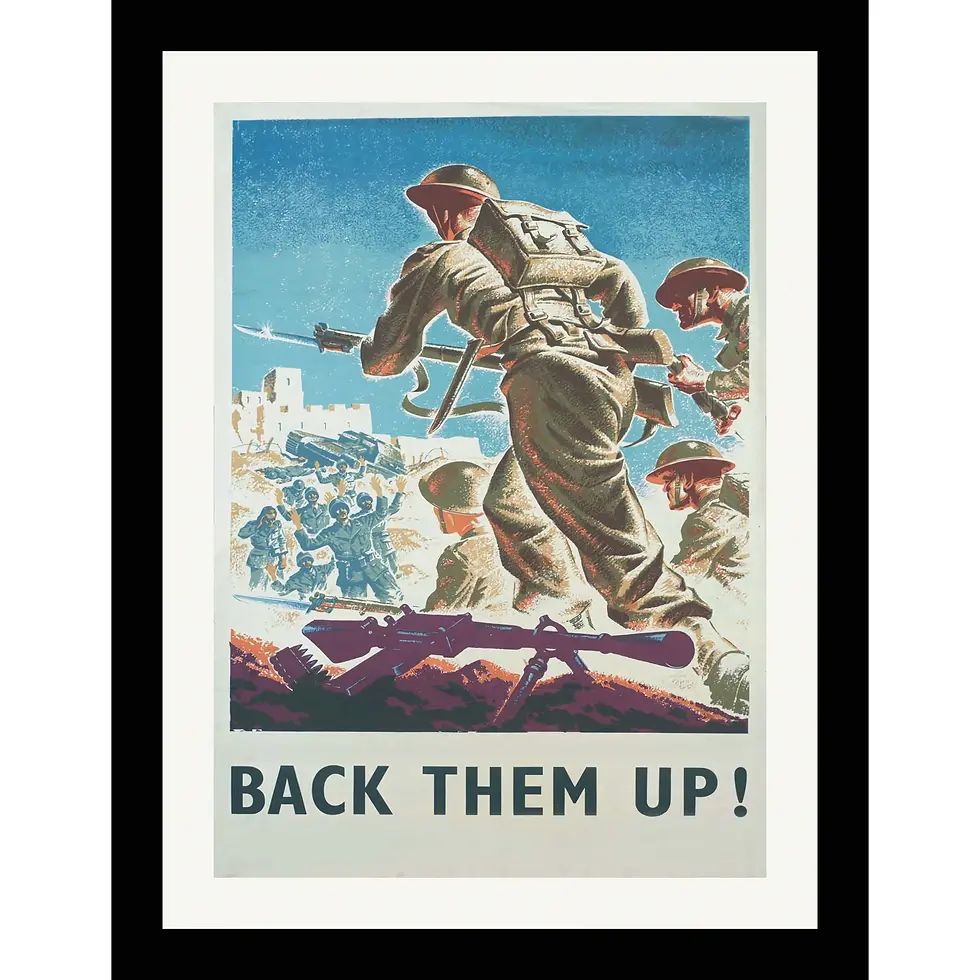


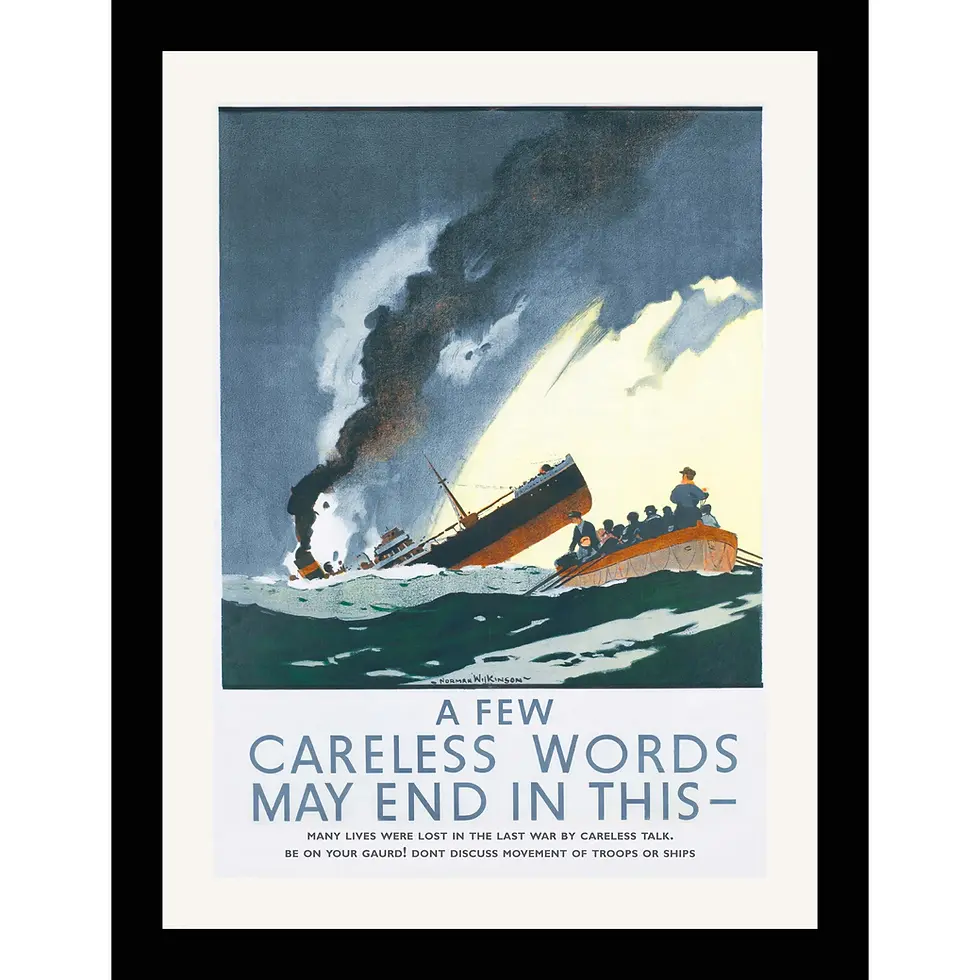


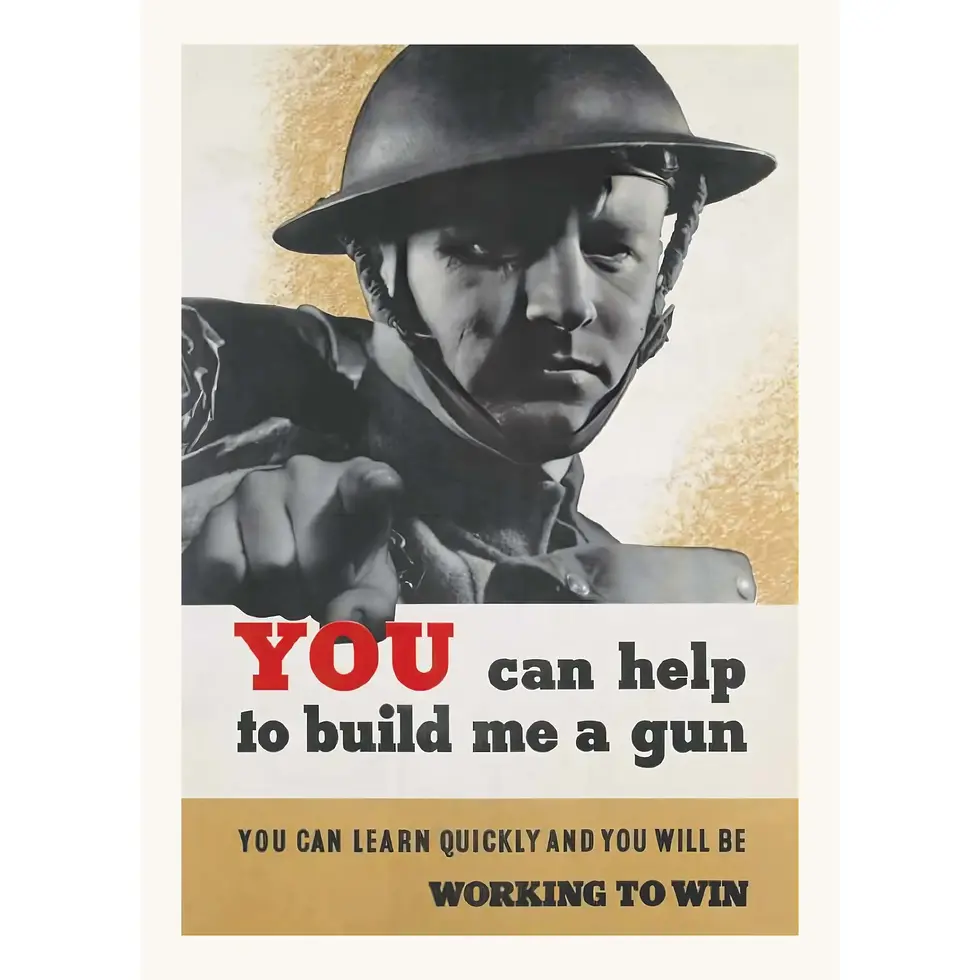


During the Second World War, the United Kingdom recognised that morale and information were as vital to victory as military strength. Central to this effort was the Ministry of Information (MOI), established in September 1939 as the government’s primary body for wartime communication and propaganda. The MOI was responsible for controlling sensitive information, countering enemy propaganda, and maintaining public confidence during periods of bombing, rationing, and uncertainty. Through posters, films, radio broadcasts, pamphlets, and press guidance, it shaped clear, reassuring messages that encouraged resilience, cooperation, and national unity.
Beyond publicity, the MOI played a crucial role in monitoring morale. Its Home Intelligence unit gathered reports on public opinion from across the UK, allowing the government to understand civilian concerns and adapt messaging accordingly. This feedback loop helped ensure propaganda spoke to real experiences rather than imposed ideals.
Other wartime organisations supported this mission. Bodies such as the Press Bureau, War Films Committee, and Visual Publicity Branch worked alongside the MOI to deliver consistent messaging domestically and abroad, reinforcing Britain’s image and resolve. Together, these organisations demonstrated how strategic information management and morale-building became powerful tools in sustaining a nation through total war.