top of page

Yakusha-e

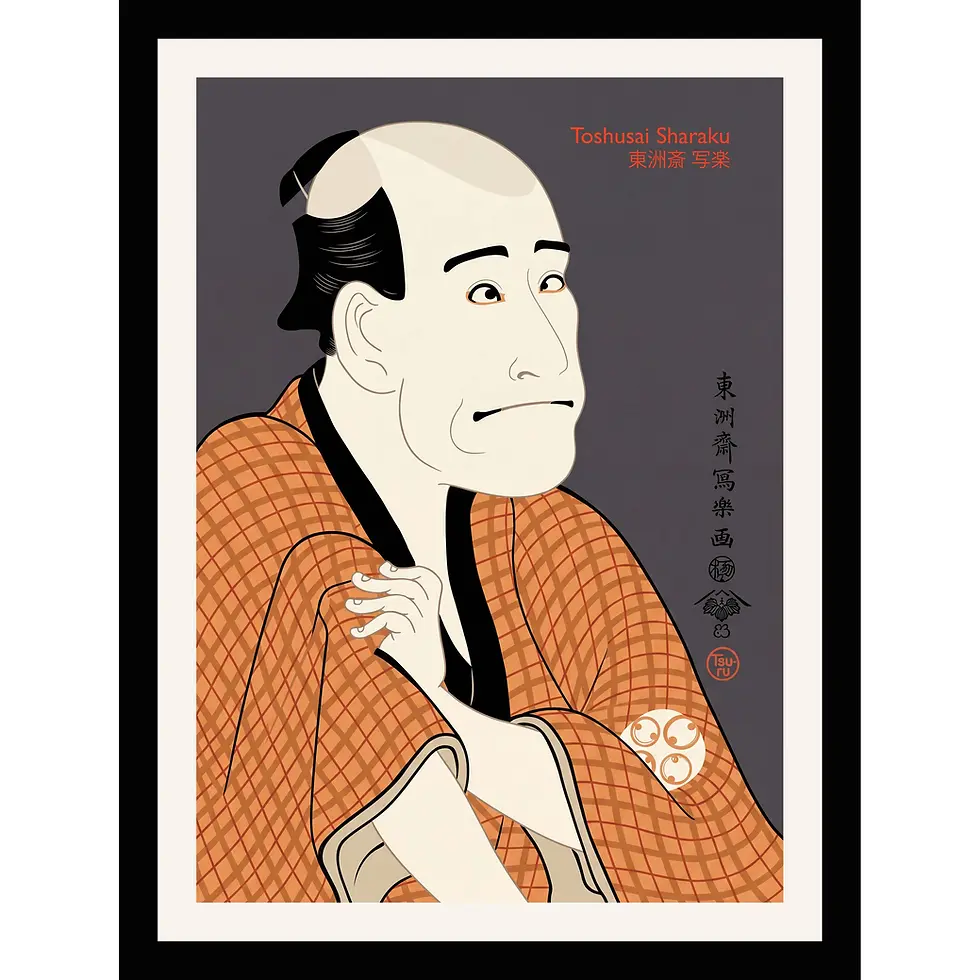
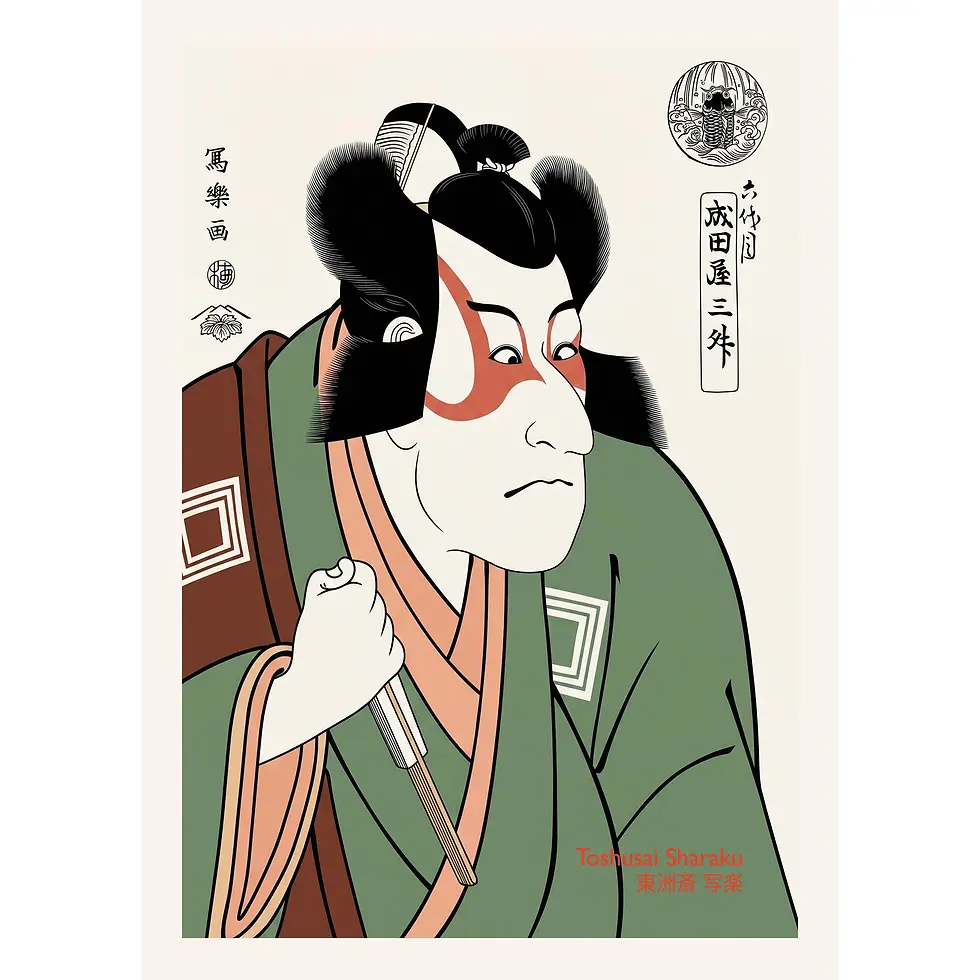
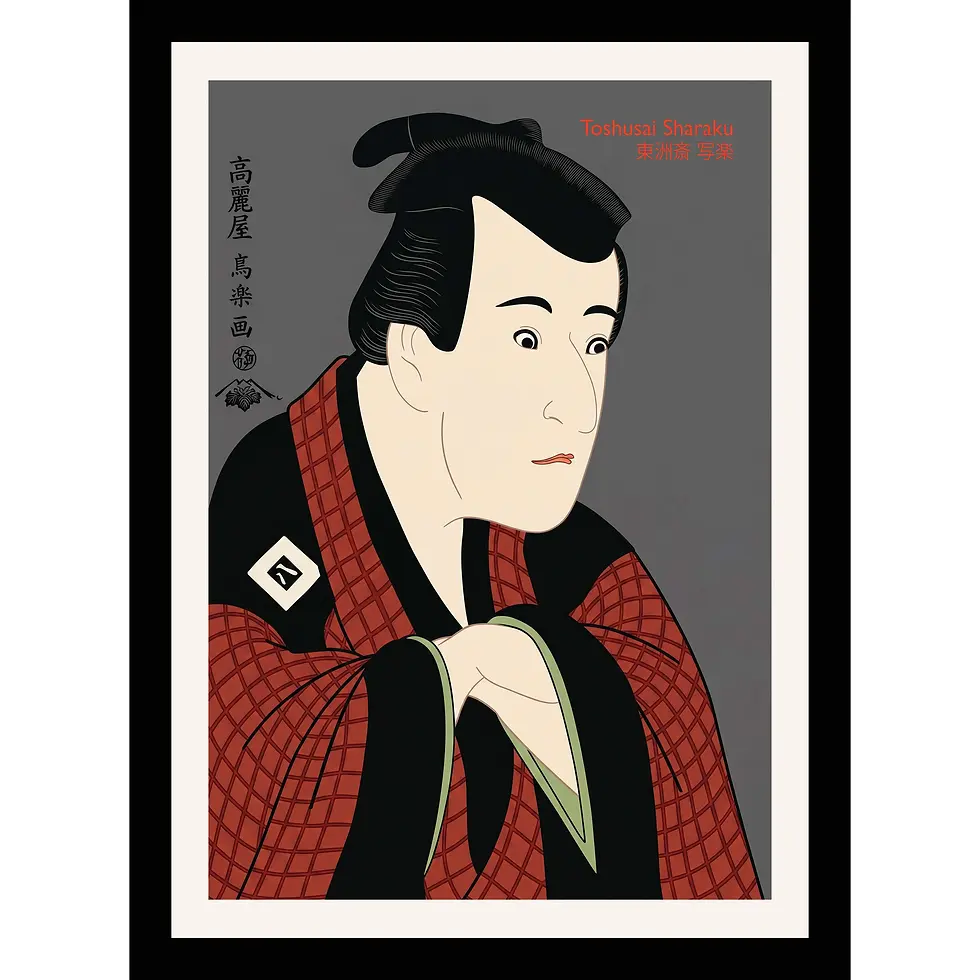
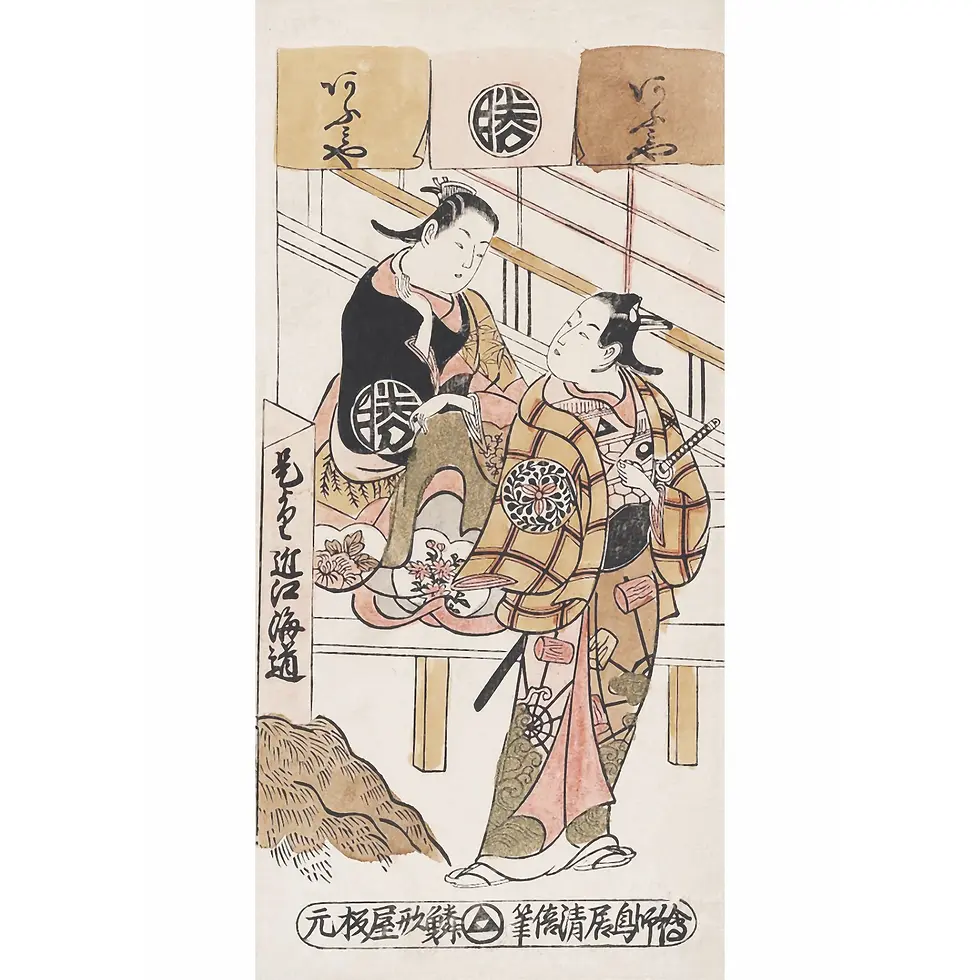
Yakusha-e "Actor Pictures". Kabuki actors were the equivalent of modern-day rock stars or A-list movie actors. They had massive fan clubs, their own "merchandise," and distinct family lineages. Sub-genres include: Ōkubi-e (Large Head Pictures): These were close-up portraits from the chest up. Shini-e (Death Prints): When a famous actor died, artists would rush to produce Shini-e. These depicted the actor traveling to the afterlife, often dressed in white robes. They were a way for fans to mourn their idols.

Yakusha-e: The A-List Icons of the Floating World

Step into the high-octane world of Yakusha-e, the vibrant actor pictures that defined the pop culture of Edo-period Japan. Long before modern cinema, Kabuki actors were the ultimate rock stars of the Floating World. These performers commanded massive fan clubs, dictated fashion trends, and belonged to prestigious family lineages that functioned like Hollywood dynasties.

Yakusha-e were more than just art; they were the 18th-century equivalent of A-list movie posters and limited-edition merchandise. Fans eagerly collected woodblock prints of their favourite stars to relive the moment of a dramatic climax or a stylised mie pose. From the bold, theatrical lines of Utagawa Kunisada to the iconic portraits of Tōshūsai Sharaku, these prints captured the raw energy of the stage with electric colours and intricate patterns.

bottom of page