





The Ethereal Path: American Symbolism (1880–1910)
American Symbolism emerged in the late 19th century as a profound departure from the gritty accuracy of Realism and the fleeting observations of Impressionism. While European counterparts often delved into the macabre, American artists like Albert Pinkham Ryder, Elihu Vedder, and James Abbott McNeill Whistler cultivated a distinct aesthetic rooted in spirituality, allegory, and the inner dreamscape.
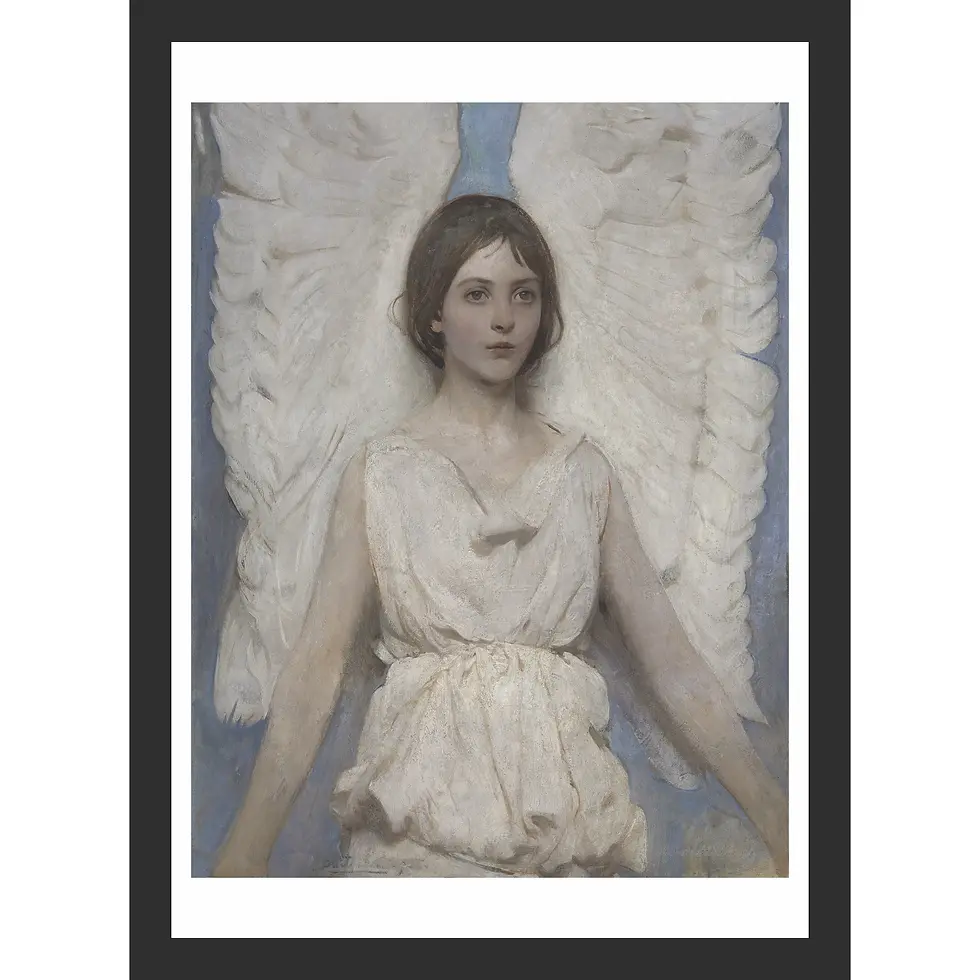
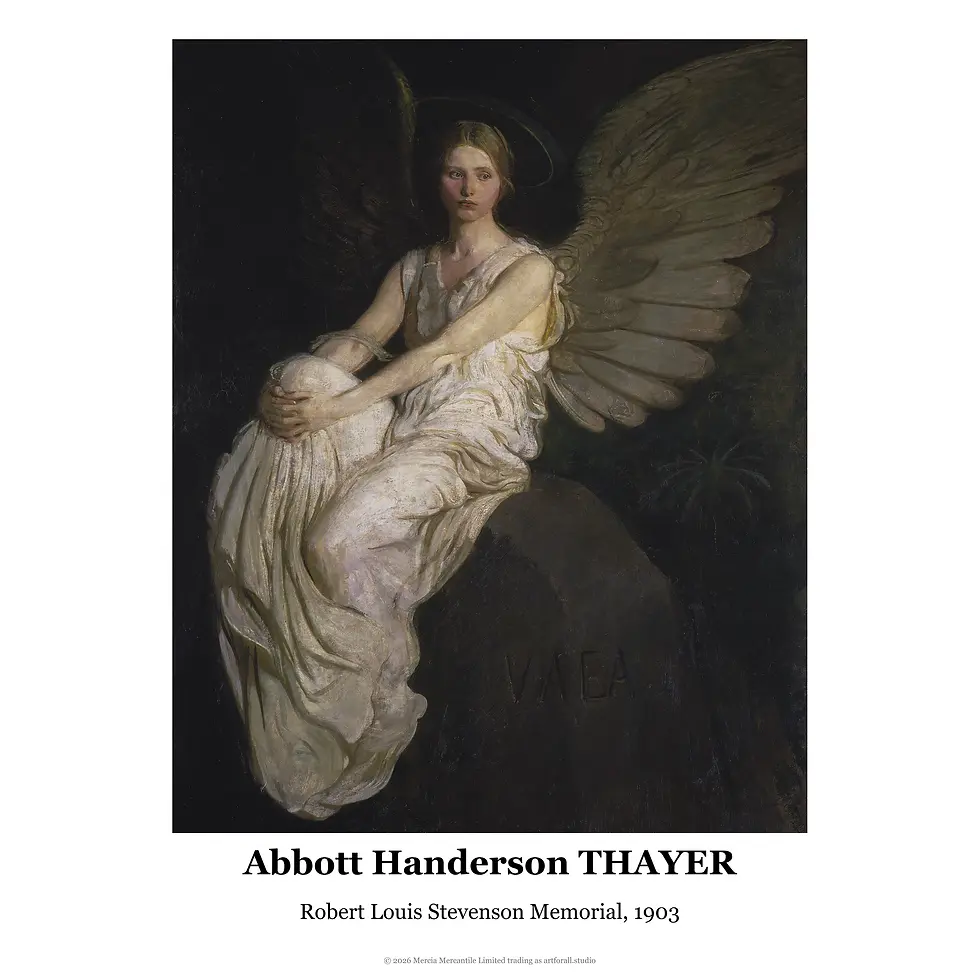
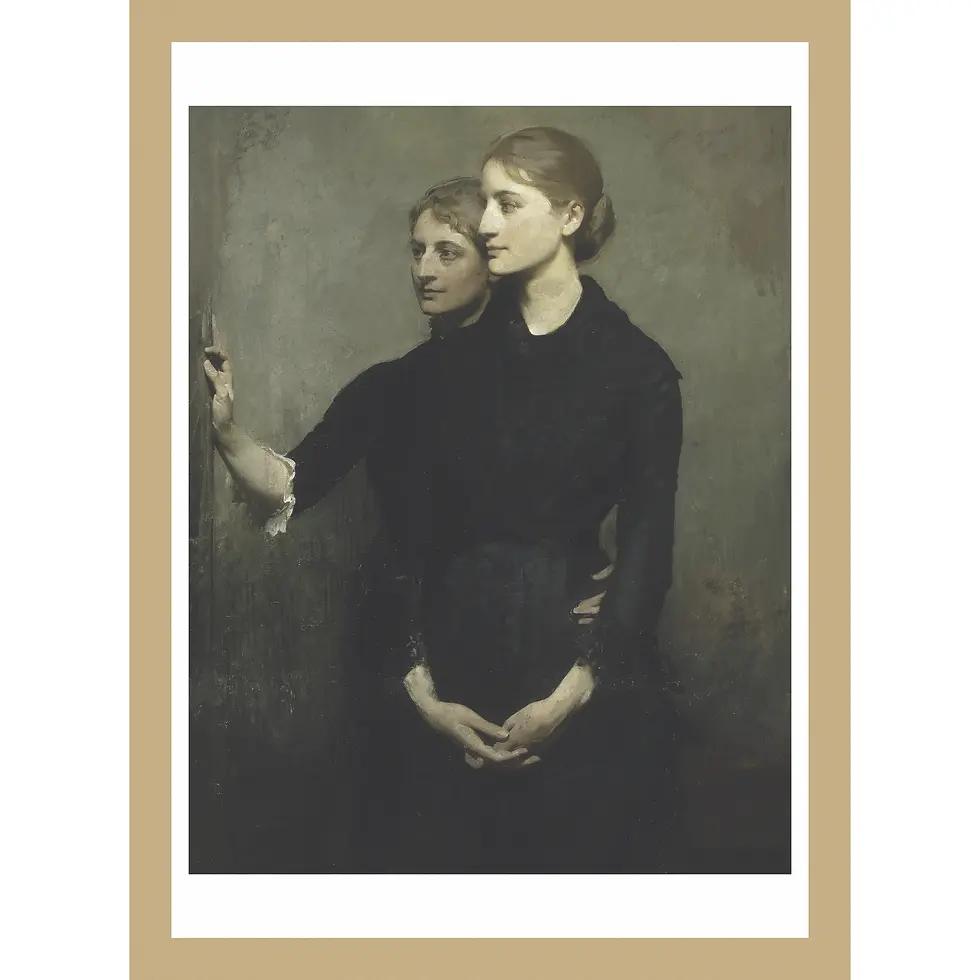
This movement sought to clothe the idea in sensuous form, moving away from the industrial world toward an idealised, timeless representation of subjects. Artists used suggestive, moody palettes and simplified forms to evoke emotional resonance rather than objective truth. Common motifs included ethereal female figures, desolate landscapes, and mythological archetypes, all serving as metaphors for the human soul’s journey.
By prioritising the suggestive over the descriptive, American Symbolism became a vital bridge to Modernism. It provided a sanctuary for mysticism and moral contemplation amidst the rapid urbanisation of the Gilded Age. Today, the movement is celebrated for its ability to capture the ineffable - transforming the canvas into a portal for the subconscious and a testament to the enduring power of the spiritual imagination.