





Japanese woodblock printing, most commonly known as ukiyo-e (pictures of the floating world), encompasses a rich variety of styles and themes developed from the 17th century.
Bijin-ga focused on elegant portraits of courtesans, geisha, and fashionable urban figures, emphasizing beauty, clothing, and social culture.
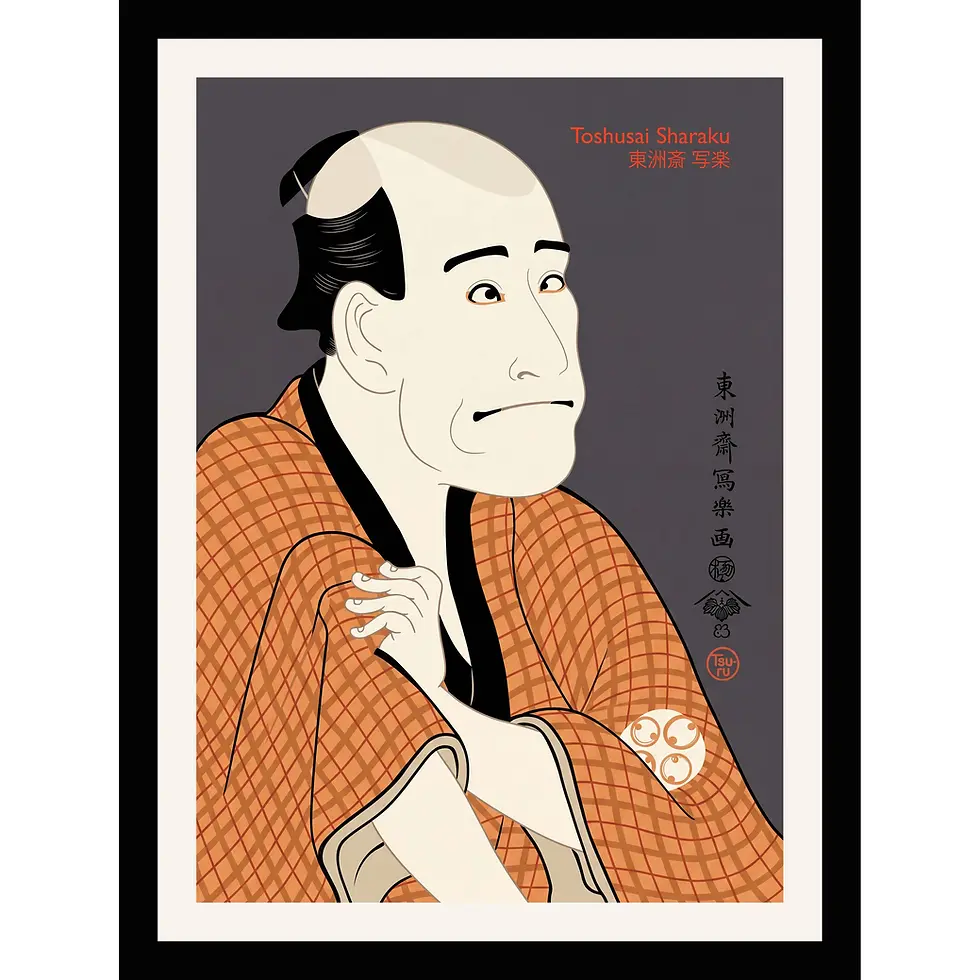
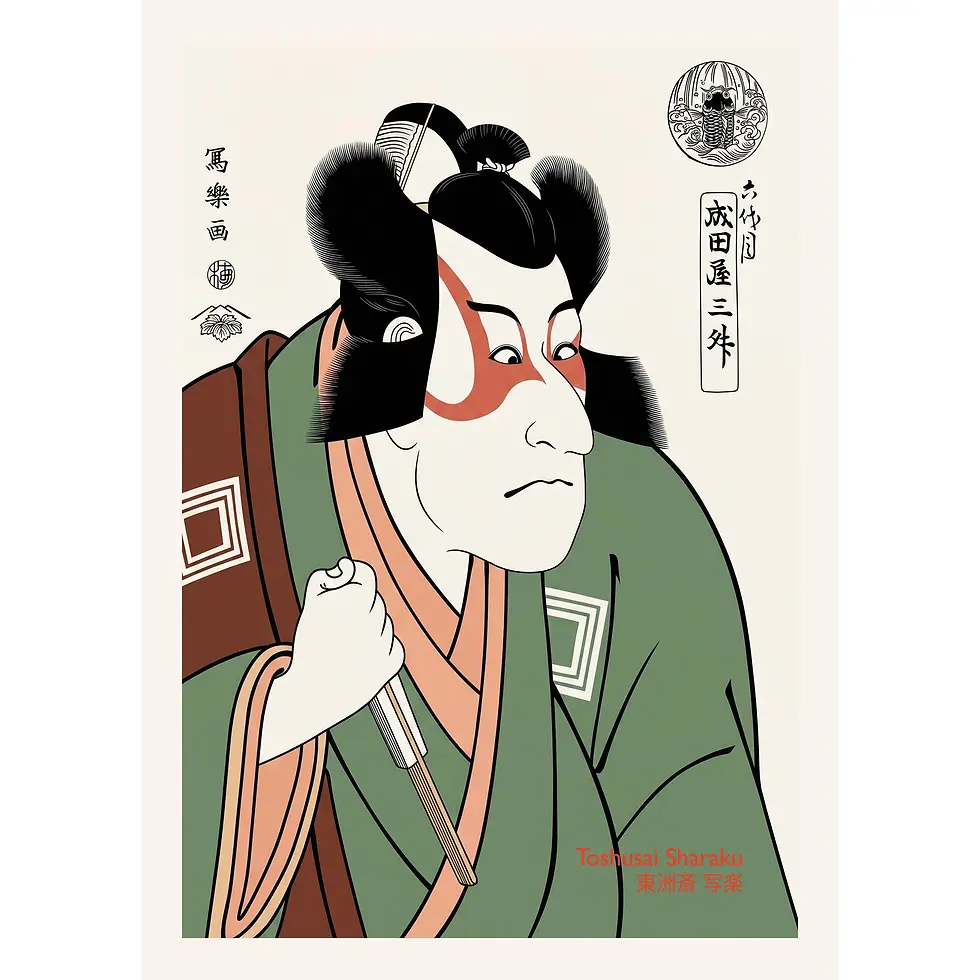
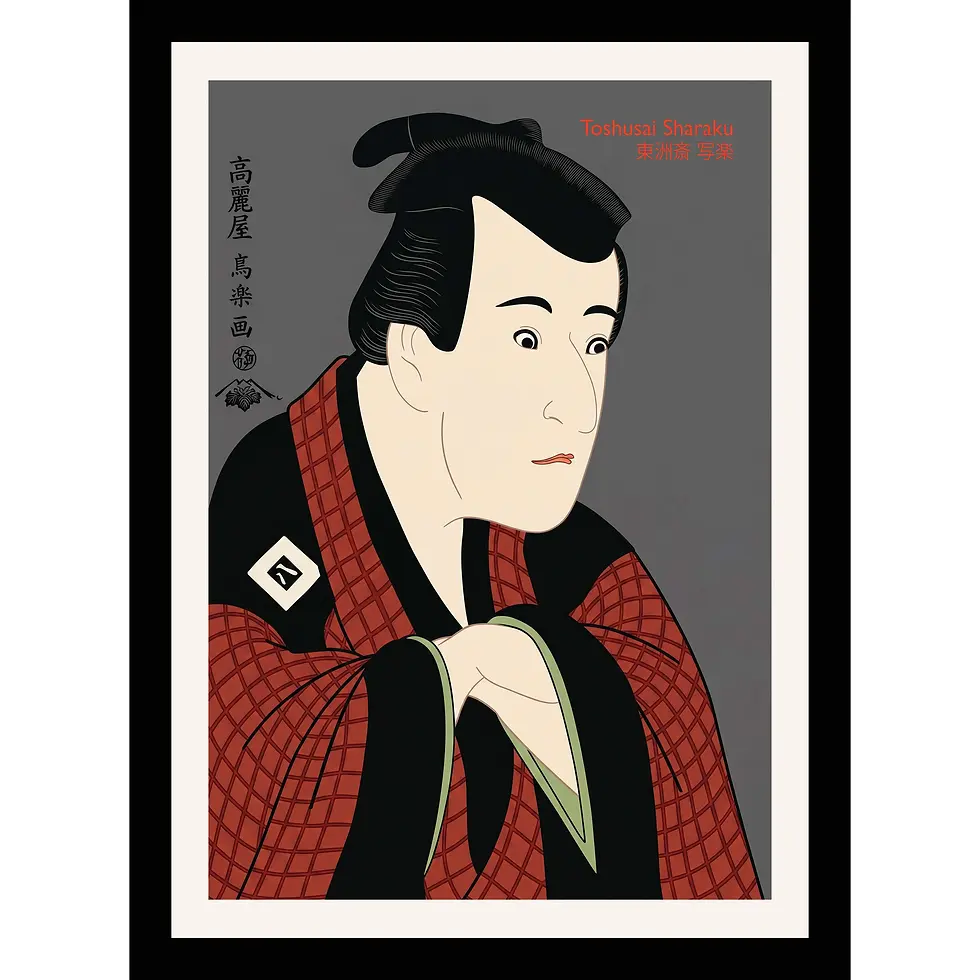
Yakusha-e depicted kabuki actors in dramatic poses, celebrating popular theatre and celebrity culture. Musha-e portrayed warriors, samurai, and legendary battles, often drawing on history and folklore.
Landscape prints, or fūkei-ga, became especially influential through artists such as Hokusai and Hiroshige. These works featured mountains, rivers, travel routes, and seasonal scenery, capturing both natural beauty and spiritual significance.
Kachō-e concentrated on birds, flowers, insects, and other natural subjects, reflecting Japanese appreciation for the changing seasons.
Mythological and supernatural themes appeared in yōkai-e, which depicted ghosts, spirits, demons, and legendary creatures. Historical narratives and literary scenes illustrated famous stories, poems, and classical dramas. Some artists also produced surimono, luxurious privately commissioned prints characterized by refined design and technical excellence.
Together, these categories reveal the breadth of Japanese woodblock art, blending entertainment, nature, history, religion, and everyday life into a visually distinctive artistic tradition that continues to inspire artists worldwide.